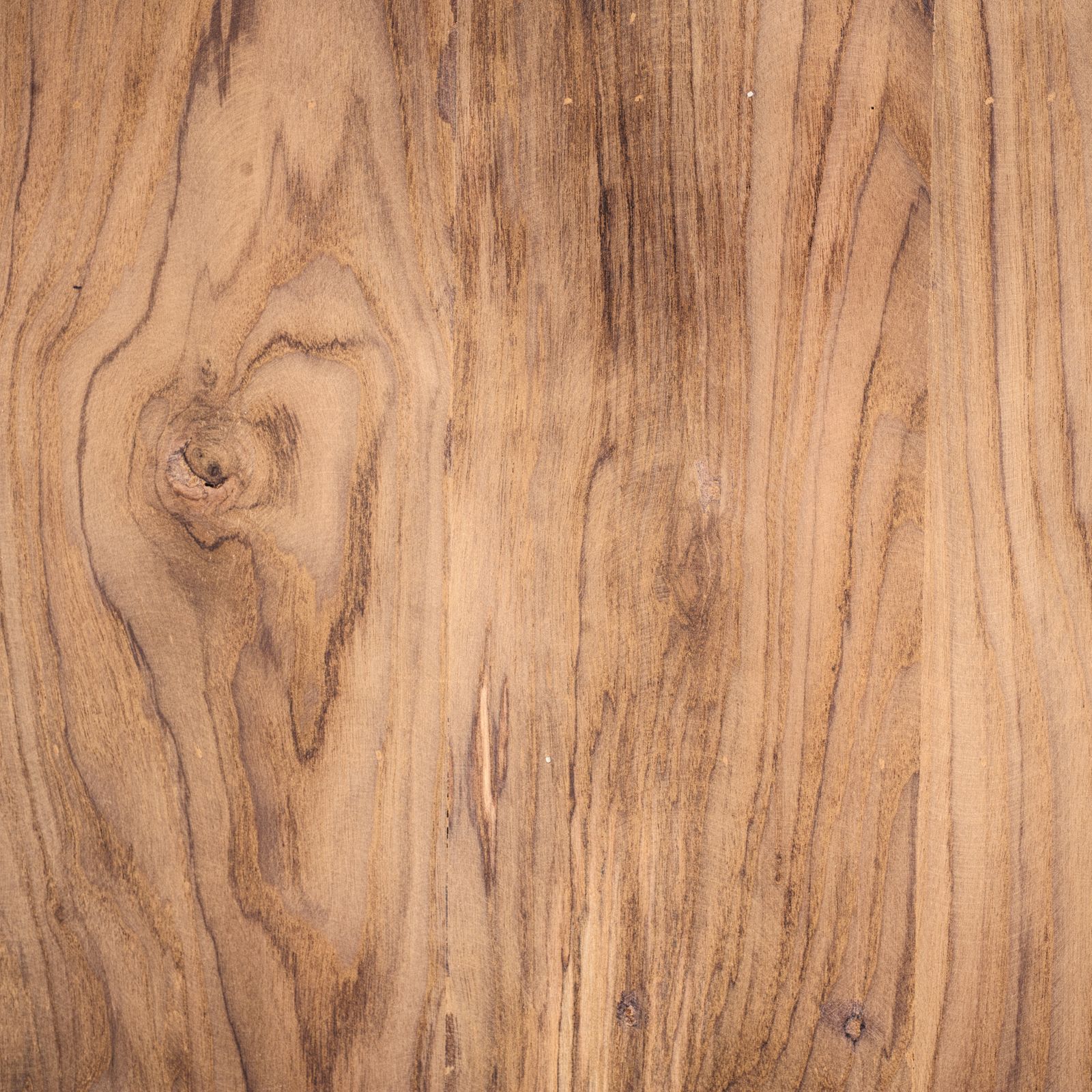
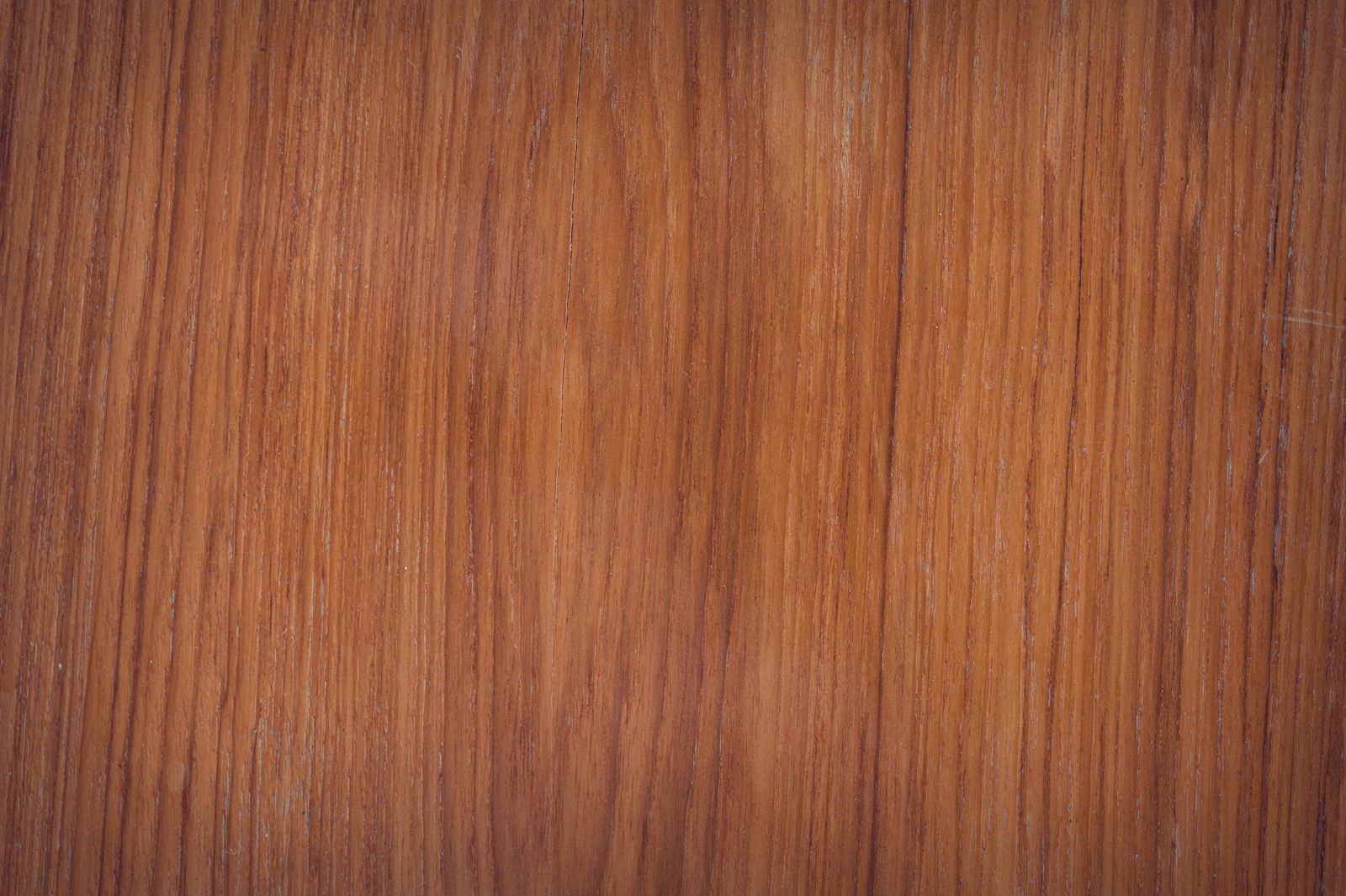
Close view of textured timber grain

Timber & finishes

Material has a memory. Cairo gives it another one.

Every board arrives with a history of growth, milling and travel. Then it meets our heat, dust, dry spells, air conditioning and long west-facing afternoons. We choose accordingly.

Not a sample-library fantasy

Good timber is selected for the piece, not the trend

We keep our material range deliberate: oak, walnut, teak and beech in solid stock, with honest veneers when a wide stable surface calls for them. Each species has a job it is good at, and each has a way it can disappoint if pushed into the wrong room.

We will show you the board before it becomes furniture. Knots, mineral streaks, medullary rays and colour variation are discussed in daylight. If you need a perfectly uniform surface, timber may not be the answer and we will say so.

Oak planks stacked in the SAAQAH timber hall

The timber rack

Four species we know well

Oak

Our steady all-rounder. Oak has enough visual structure to carry a large table and enough toughness for daily chairs and cabinets. It takes a clear hardwax oil beautifully, from pale honey to a smoked tone.

For Cairo homes, oak is forgiving when properly dried and given room to move. We still avoid trapping it hard against wet walls or sealing it before it has acclimatised.
Walnut

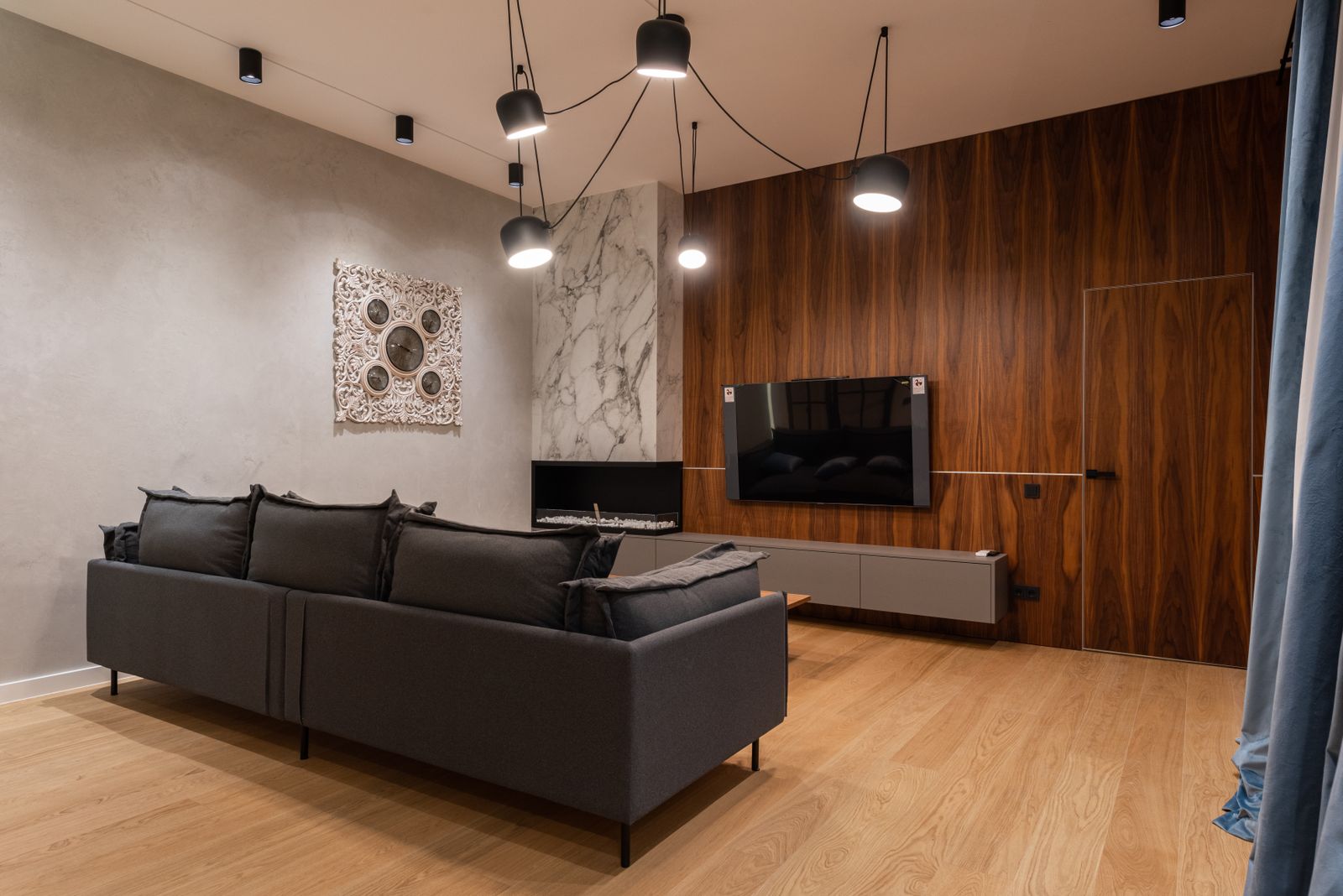
Walnut brings depth without shouting. It suits writing desks, low storage and dining pieces where a darker plane can settle a bright room. Its figure can be quietly straight or surprisingly wild.

We do not use a heavy stain to make another wood pretend to be walnut. If you want walnut, we source walnut and let its natural shift from brown to violet-grey remain visible.

Teak

Teak earns its place where water, sun and frequent handling are real parts of the brief. Its oils and dense grain are useful on sheltered outdoor work and selected bathroom details.

It is not our default for every commission. Good teak is valuable, and using it for a sheltered bedroom cabinet just because it sounds luxurious is poor material judgment.

Beech

Beech is pale, fine-grained and quietly strong. We use it inside upholstered frames, for chair components and for pieces that need a clean, light reading without oak's pronounced pattern.

It asks for careful drying and thoughtful finishing in Cairo. We keep it away from unconditioned damp utility spaces and do not promise it will behave like teak.

What Cairo changes

The climate is already part of the design

A piece can leave the atelier stable and meet a very different life in a closed-up summer flat, a heavily air-conditioned New Cairo villa, or a garden room near an open water source. Timber responds to relative humidity, not to good intentions.

We allow for seasonal movement in table tops and cabinet panels. We specify breathable finishes where they make sense. We ask whether a room gets direct west sun, because a finish sample viewed at 11am can become another colour entirely by late afternoon.

  • West lightSamples checked beside the intended window, not only under workshop lamps
  • Air conditioningVery dry cycles require sensible expansion allowances
  • BalconiesSun and dust are considered before an outdoor timber is approved
  • CareWipe spills, avoid standing water, use felt under hot or wet objects
A useful distinction Movement is natural. Cracking, cupping and failed joints are not a charming “solid wood feature.” We build and finish to prevent those failures, then explain the care that helps.
A hand applying a finish to a timber surface

Surface, not disguise

Hardwax oil, stains and honest testing

Hardwax oil is our most common finish because it lets timber feel like timber and can be repaired locally. It does not make a dining table invincible. It needs a reasonable cure and an owner who does not leave a wet vase in one place for a week.

Stains are mixed and tested on offcuts from the actual batch. End grain, open pores and differing boards receive colour differently. We make a full sample panel, then inspect it under the home's likely light before committing.

2-3 coatsTypical hardwax oil build, depending on species and use
Full panelOur standard for stain approval, never a tiny printed chip
West-facingLight we specifically ask about before matching a tone
Zero shortcutsOpaque paint does not cure an unstable substrate

The line we hold

What will not go into a SAAQAH piece

Printed “wood” finishes

We do not cover a weak board with a convincing photograph of oak and call it craftsmanship. If a surface is veneer, we identify it as veneer. If it is solid oak, it reads as solid oak.

Unknown board cores

We avoid low-grade particleboard and materials with uncertain emissions or poor screw holding. A cabinet is not good value if its hinges begin loosening after two Cairo summers.

Thick plastic armour by default

High-build coating can have a place, but we do not use it to hide poor sanding, bad timber or an impossible delivery date. Most indoor pieces deserve a finish that can be maintained rather than entombed.

See timber and finish samples in daylight.

Book an atelier visit